.png "five kingdom classification")
Formerly living organisms were classified into two kingdoms i.e. PLANT KINGDOM & ANIMAL KINGDOM. The plants were studied under the subdivision BOTANY and the animals were studied under the subdivision ZOOLOGY. The latest research has dicarded the old concept of two kingdom of living organisms. According to modern system of taxanomy, living oragnisms have been classified into the following five kingdoms :
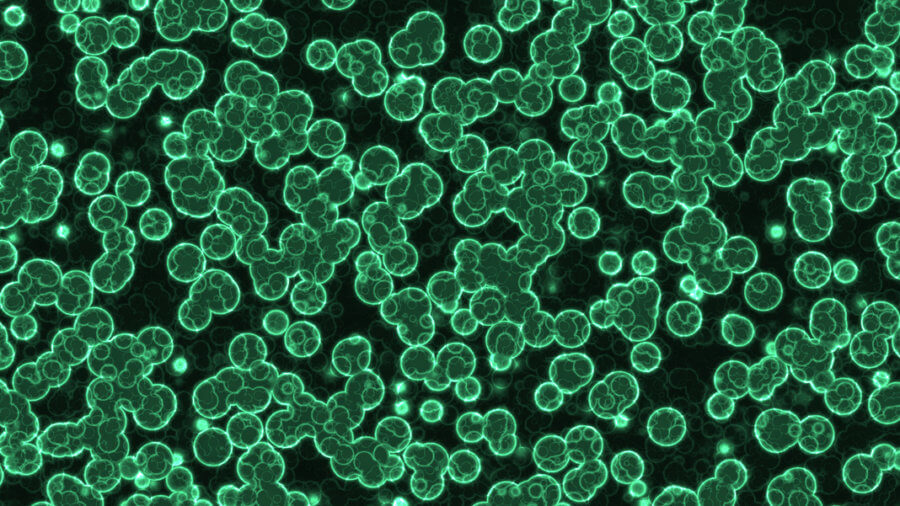
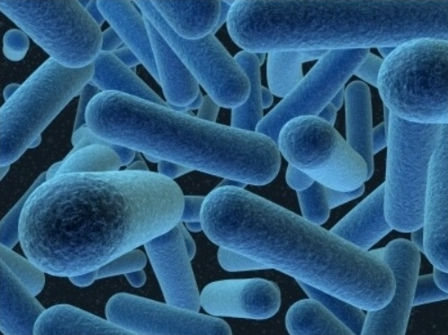
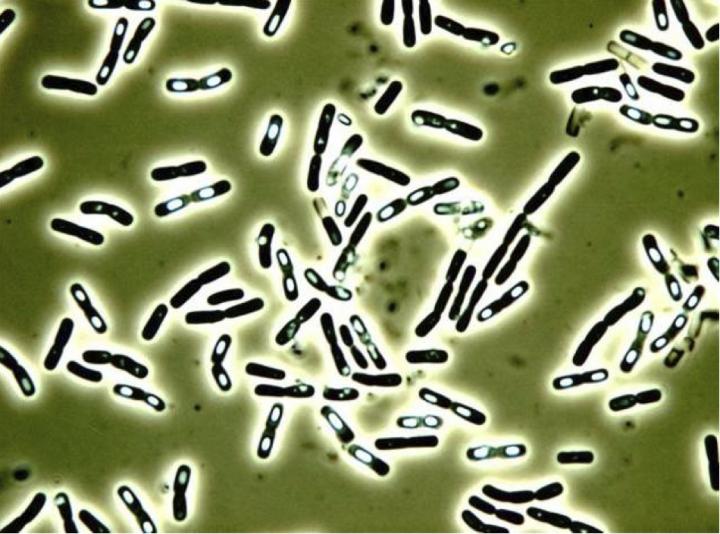
It include almost all the prokaryotes, e.g. bacteria and cyanobacteria. Prokaryotic cells are much smaller than eukaryotic cells, have no nucleus, and lack organelles. Prokaryotes are single-celled organisms belonging to the domains Bacteria and Archaea.
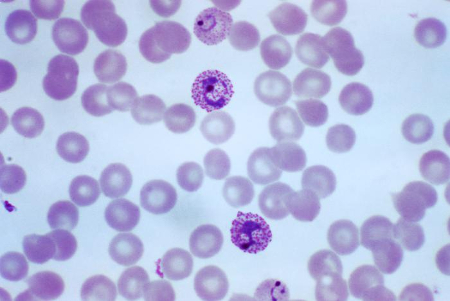
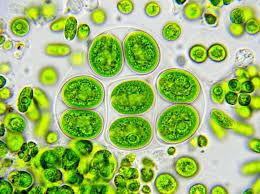
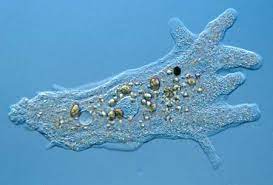
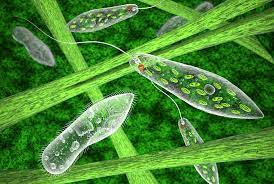
It includes all unicellular eukaryotic organisms, which are no longer classified as animals, plants or fungi. e,g, Euglena, Paramecium, Chlamydomonas, Plasmodium etc. Multicellular algae and primitive fungi have also been included.
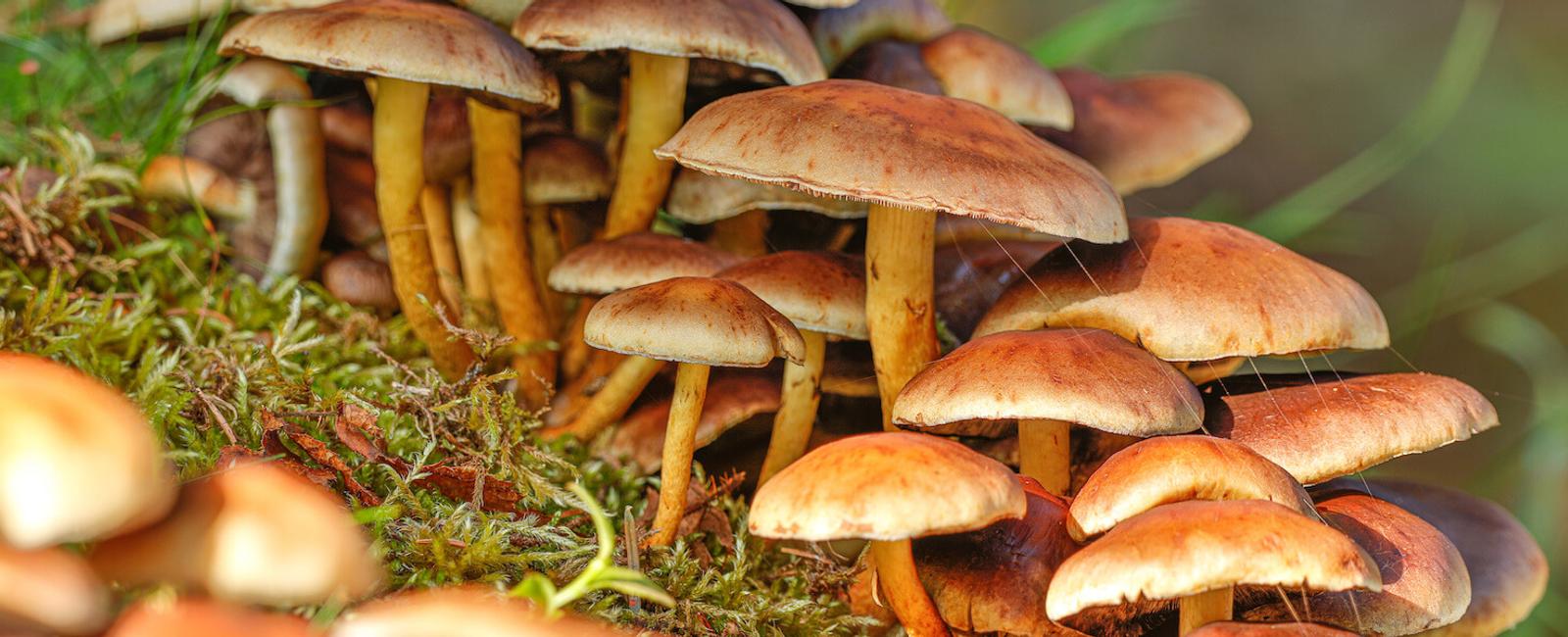
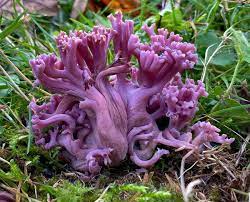
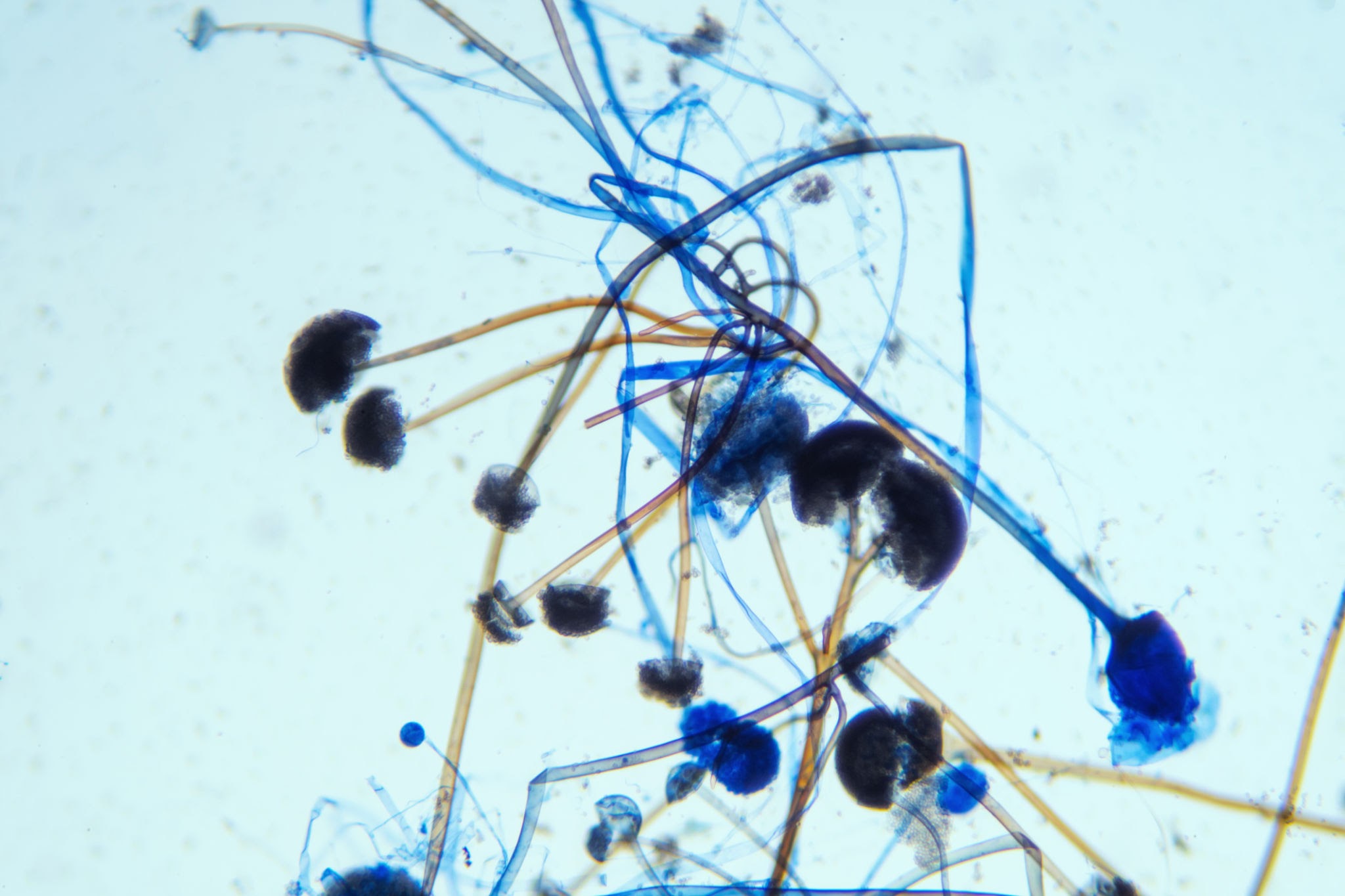
It include non chlorophyllus, multicellular (except yeast) organism having chitinous cell wall, absorptive heterotrophs and non motile spore/gametes e.g. Agaricus (mushroom), Yeast, etc. they are absorptive heterotrophs.
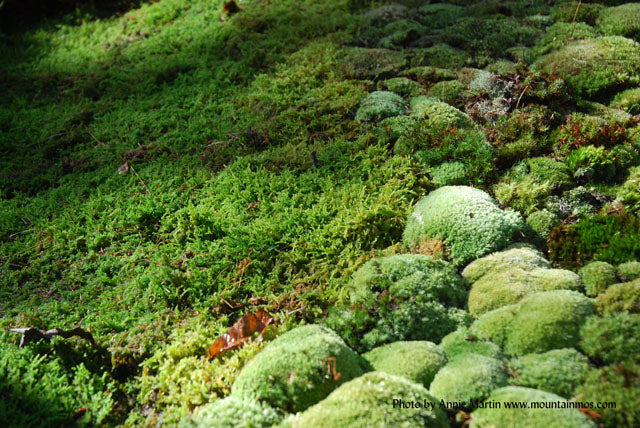
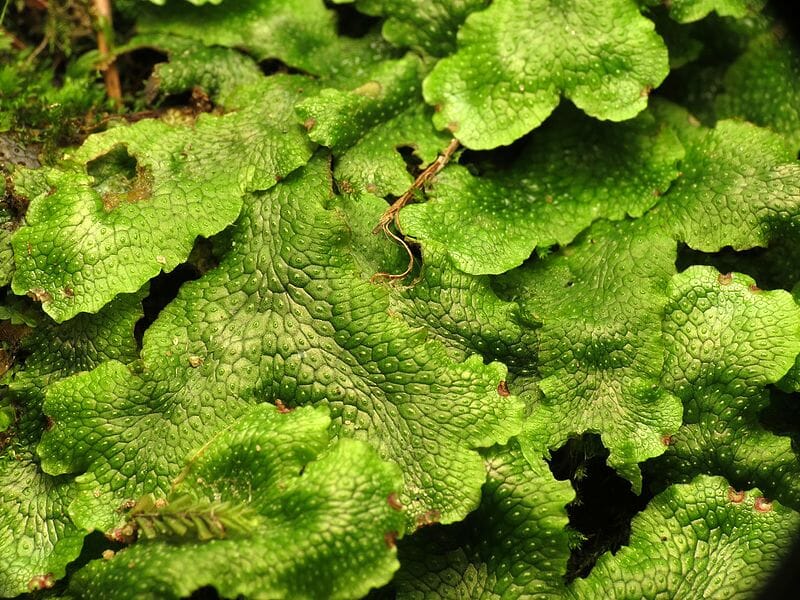
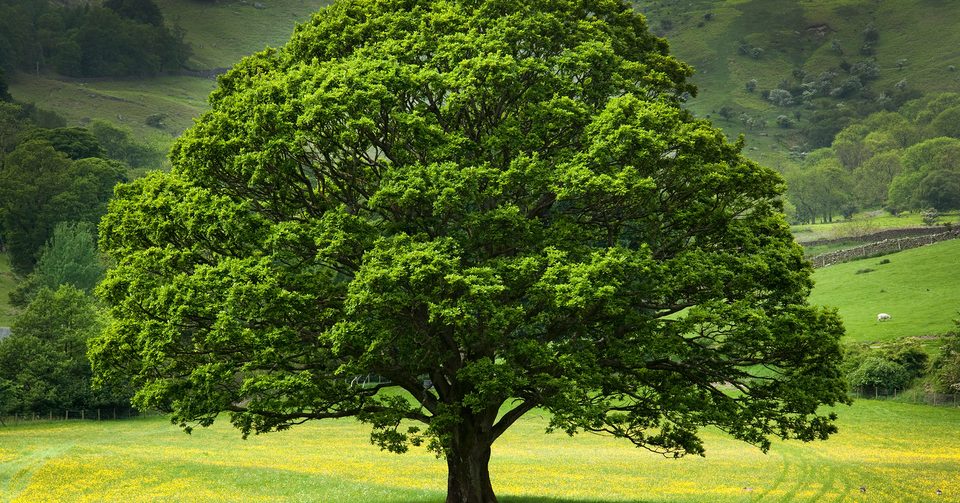
It includes all the eukaryotic, multicellular, chlorophyllus, photosynthetic autotrophs having cell wall made up of primarily of cellulose, zygote retained to become embryo and exhibting heteromorphic alternation of generation. e.g. Moss, Fern, Pines, Apples, etc.
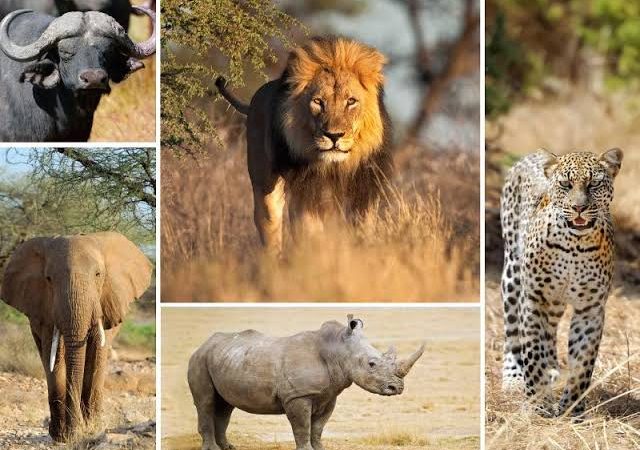
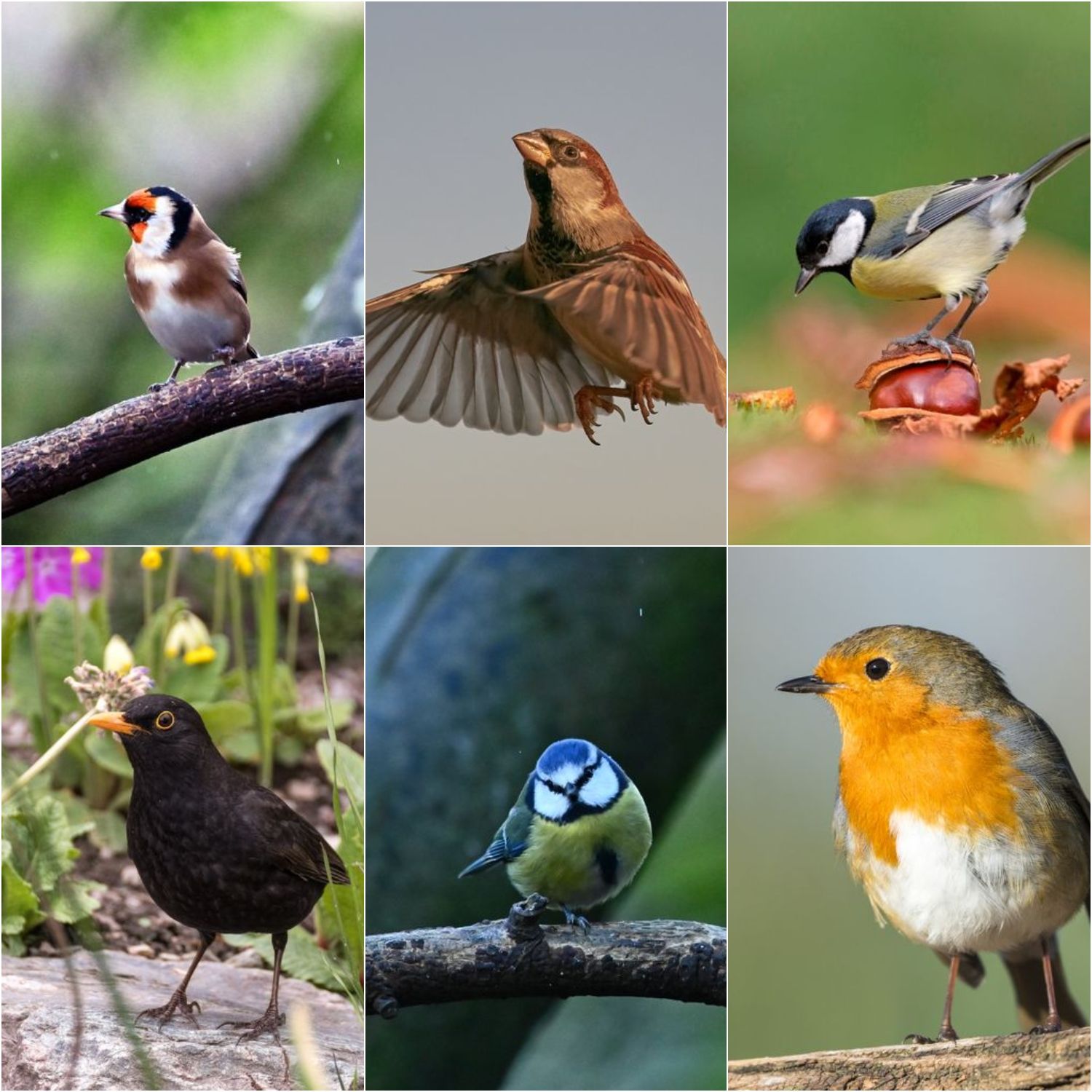
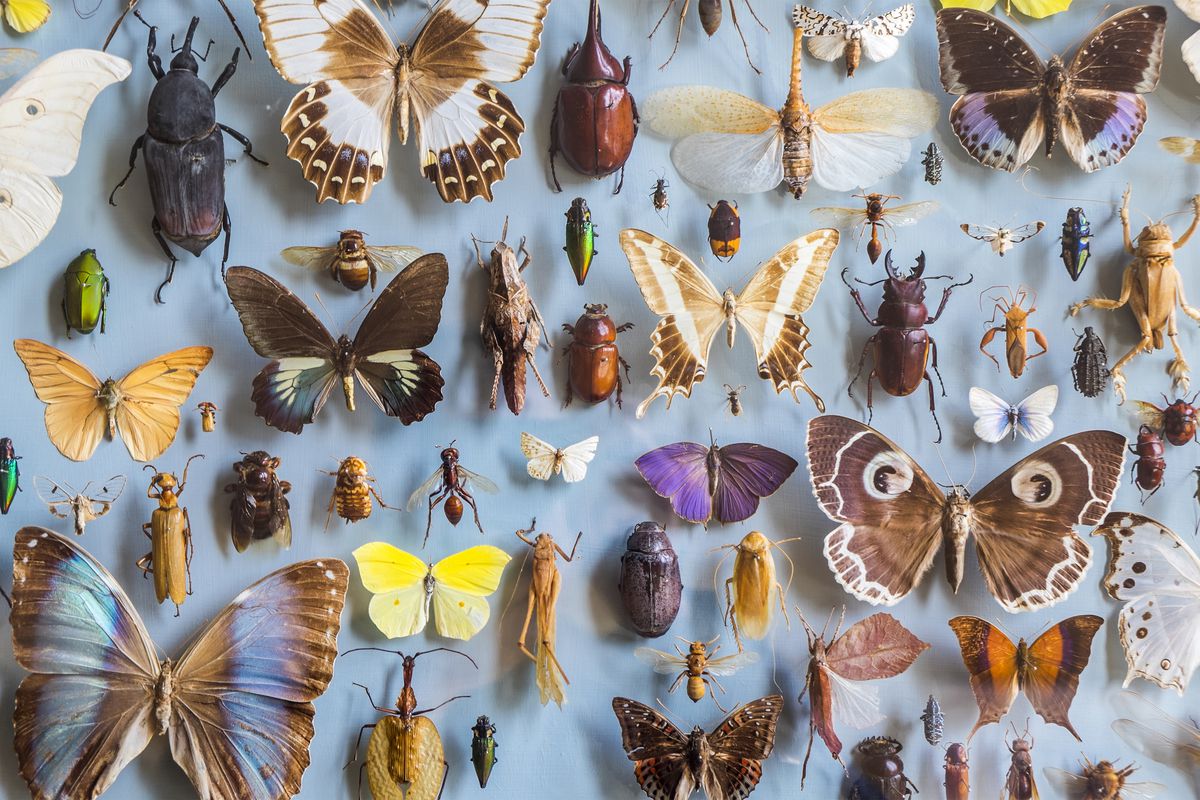
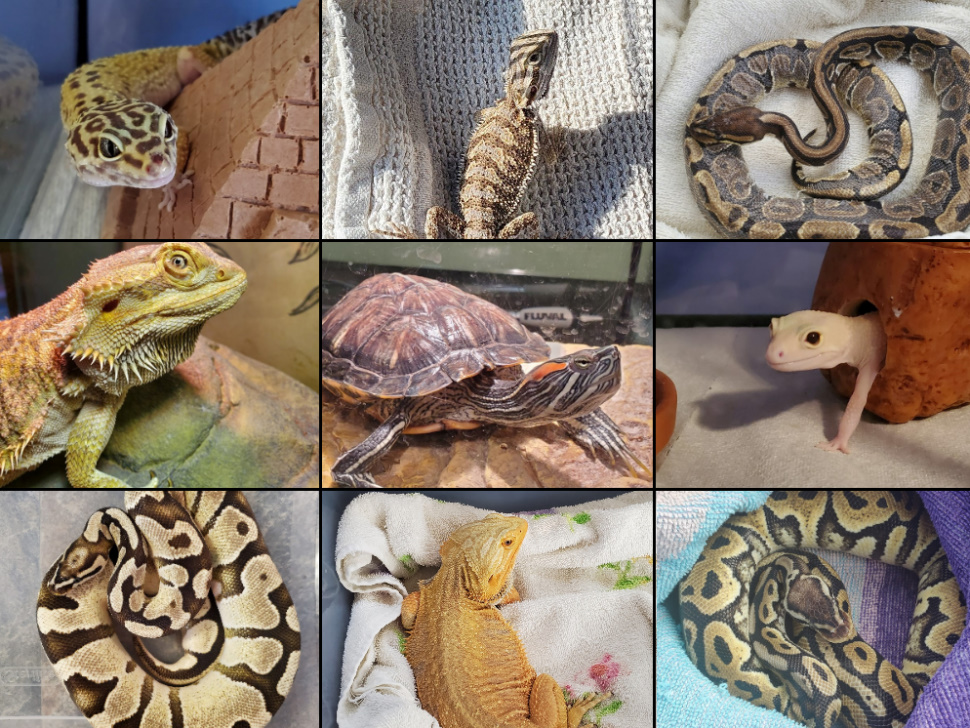
It includes all eukaryotic, non-chlorophyllus, multicelular, ingestive heterotrphs with no cell wall. e.g. Hydra, Earthworm, Human Beings etc. With few exceptions, animals consume organic material, breathe oxygen, have myocytes and are able to move, can reproduce sexually, and grow from a hollow sphere of cells, the blastula, during embryonic development.